Usage Guide
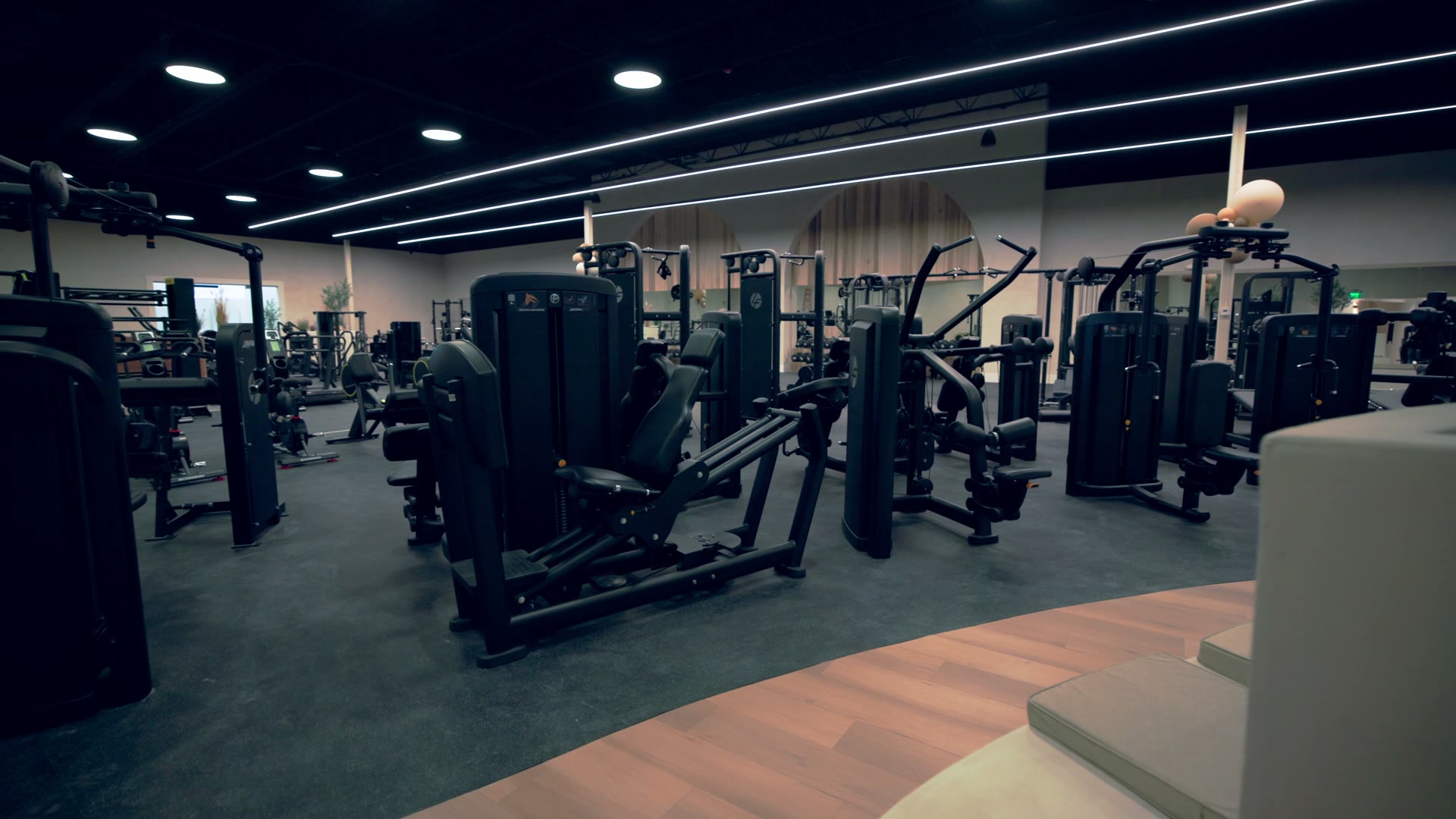
How to train in the open gym.
01
Warm Up Properly
Begin with 5–10 minutes of general movement — rowing, cycling, or dynamic stretching. Then perform 1–2 light sets of your first exercise to prime the movement pattern and increase blood flow to working muscles.
02
Follow Your Program
Your ALYZE fitness protocol will be built around compound movements — squats, deadlifts, presses, rows, and carries. These multi-joint exercises recruit the most muscle mass and produce the greatest hormonal and metabolic response.
03
Train at the Right Intensity
For strength gains, work at 70–85% of your 1RM for 3–6 reps. For hypertrophy, use 60–75% for 8–12 reps. For muscular endurance, use 50–65% for 12–20 reps. Your program will specify the optimal range for your goals.
04
Rest Between Sets
Strength-focused training requires 2–5 minutes of rest between sets for full neural recovery. Hypertrophy work benefits from 60–90 second rest periods. Don't rush — adequate recovery between sets is essential for performance.
05
Cool Down & Recover
Finish with 5–10 minutes of light movement and static stretching. Log your session in the ALYZE app. Your recovery protocol — including sauna, cold plunge, and nutrition timing — starts immediately after your last set.
Pro Tips
- Progressive overload is the single most important principle — add weight, reps, or sets over time
- Prioritize compound movements before isolation exercises
- Train each muscle group 2x/week for optimal hypertrophy — research shows frequency matters
- The minimum effective dose is just 2 sessions of 15–20 minutes per week
- Track your lifts — what gets measured gets managed
- Sleep 7–9 hours — muscle growth happens during recovery, not during training
- Your ALYZE bloodwork will inform protein intake, hormone optimization, and recovery protocols
Important: If you have a cardiovascular condition, uncontrolled hypertension, or recent injury, consult your ALYZE practitioner before beginning a resistance training program. Use proper form on all exercises — when in doubt, ask a trainer. Never hold your breath during maximal lifts (Valsalva without training can spike blood pressure). If you experience chest pain, dizziness, or unusual discomfort, stop immediately.