Recovery Modality
Red Light Therapy
Photobiomodulation uses red and near-infrared wavelengths to enhance mitochondrial ATP production, accelerate tissue repair, reduce inflammation, and rejuvenate skin — at the cellular level.
Photobiomodulation uses red and near-infrared wavelengths to enhance mitochondrial ATP production, accelerate tissue repair, reduce inflammation, and rejuvenate skin — at the cellular level.
Red and near-infrared light penetrate deep into tissue, stimulating mitochondria and triggering a cascade of cellular repair mechanisms. Here's what the science shows.
Red and near-infrared light is absorbed by cytochrome c oxidase in mitochondria, directly increasing ATP production. This enhanced cellular energy drives repair, regeneration, and improved function across every tissue type.
Clinical trials show photobiomodulation significantly increases collagen density, reduces wrinkle volume by 30%, and improves skin complexion. Red and near-infrared light stimulate fibroblasts to produce collagen and elastin.
PBM lowers reactive oxygen species in stressed cells, modulates pro-inflammatory cytokines, and activates anti-inflammatory pathways. Clinical benefits demonstrated in arthritis, tendinopathy, psoriasis, and muscle recovery.
Low-level light therapy reduces pain across an array of musculoskeletal conditions. Red LED applied before or after injury reduces both neurogenic and inflammatory pain responses in clinical and preclinical studies.
Photobiomodulation applied before or after exercise enhances muscle recovery and reduces soreness. Pre-conditioning muscles with red light improves performance and delays fatigue during subsequent exercise.
Whole-body photobiomodulation has been associated with improved sleep quality, higher serum melatonin levels, and lower nocturnal heart rate — supporting the body's natural circadian rhythm and recovery processes.
Remove clothing from the treatment area. Clean, bare skin allows maximum light absorption. Remove sunscreen, lotions, and makeup — these can block or reflect the therapeutic wavelengths.
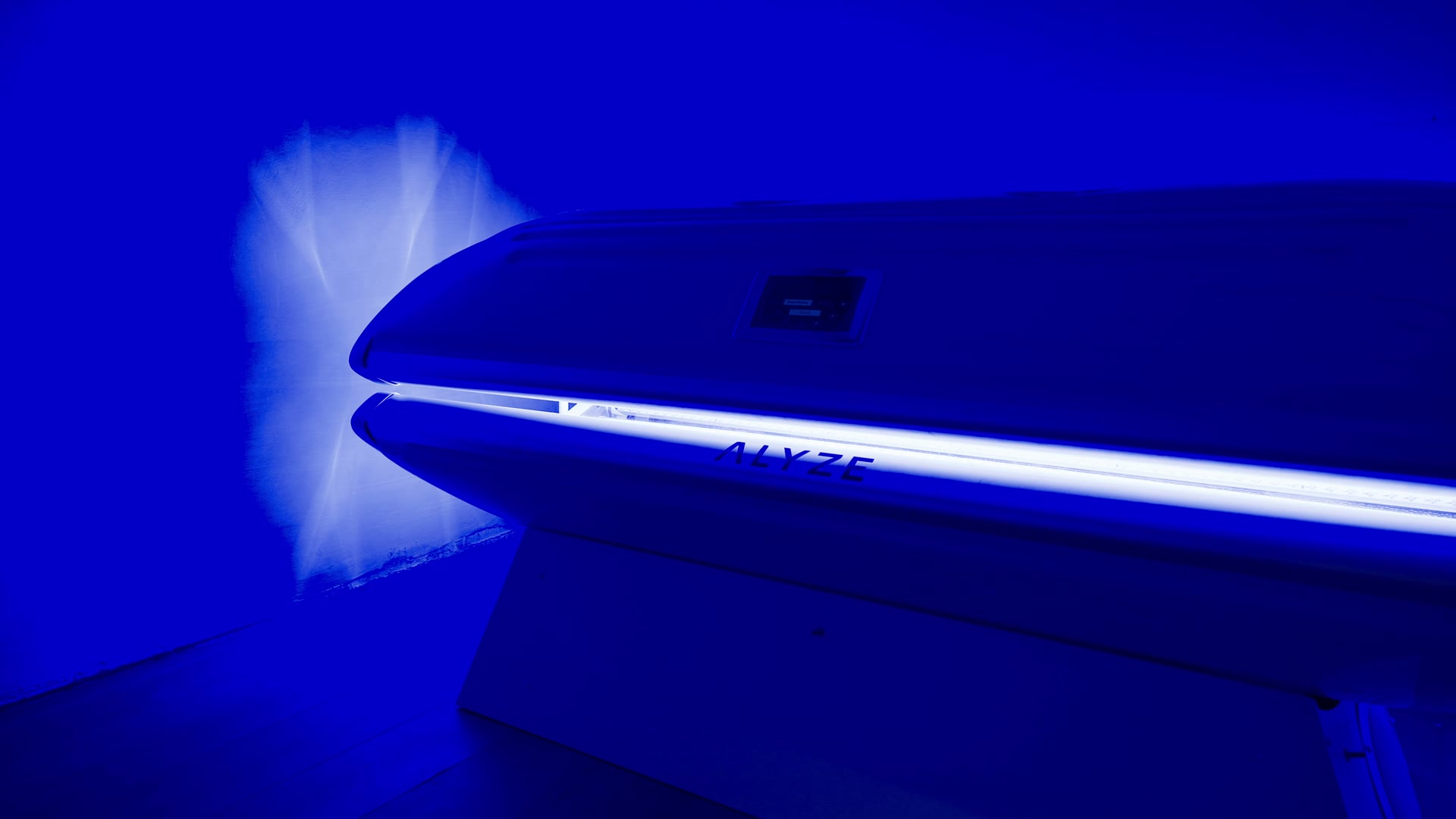
Lie in the red light bed with panels 6–12 inches from your skin for optimal dosing. The bed delivers full-body coverage at 633nm (red) and 830nm (near-infrared) wavelengths simultaneously.
Standard sessions are 10–20 minutes. The biphasic dose response means more is not always better — optimal dosing is critical. Follow your ALYZE protocol for personalized timing.
Wear the provided protective eyewear during your session. While red light therapy is generally safe for eyes, the intensity of full-body panels warrants protection, especially for extended sessions.
Benefits compound with regular use. Clinical studies showing skin and recovery benefits typically use 3–5 sessions per week over 4–12 weeks. Make it part of your routine.
Important: Avoid red light therapy if you are taking photosensitizing medications or have a condition that makes you sensitive to light. Consult your ALYZE practitioner if you have active cancer, as the effects of PBM on neoplastic tissue require medical guidance. Do not look directly at the light panels without protective eyewear. If you experience any unusual skin reactions, discontinue use and consult your practitioner.
A growing body of peer-reviewed research supports photobiomodulation for skin health, pain management, inflammation, and recovery.
Recent peer-reviewed studies sourced from PubMed.
Red light therapy is one piece of your personalized recovery plan — informed by your bloodwork, training load, and health goals.

Bountiful, Utah · alyze.health
The information provided on this page is for general informational and educational purposes only and is not intended as medical advice. The research cited is from peer-reviewed journals and is presented for educational purposes. Individual results may vary. Always consult with a qualified healthcare provider before beginning any new wellness practice, including red light therapy.
