Usage Guide
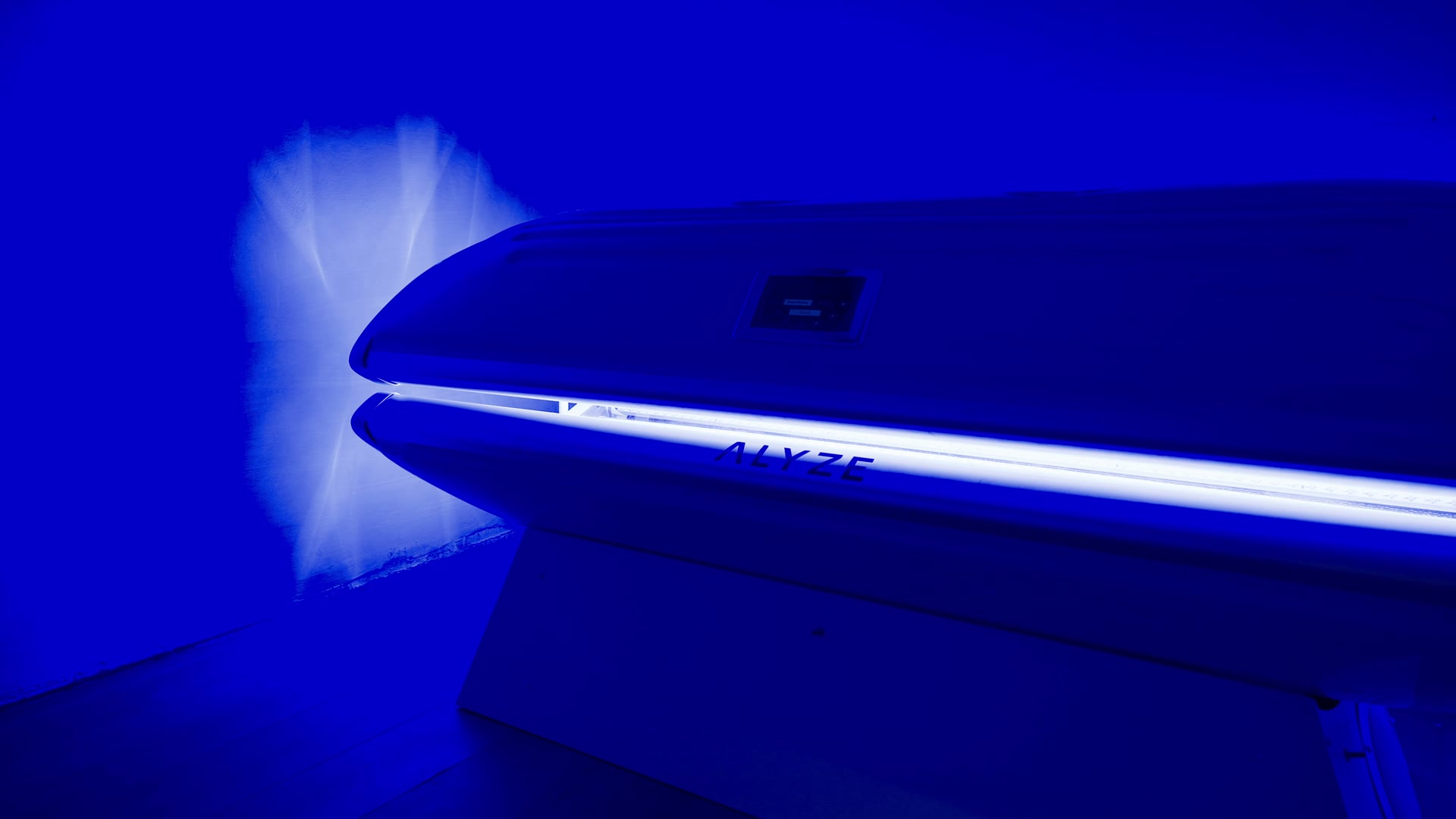
How to use the infrared sauna.
01
Hydrate Before Entry
Drink 16–20 oz of water before your session. Although infrared saunas operate at lower temperatures than traditional saunas, you will still sweat significantly as the infrared energy heats your body directly.
02
Enter & Position Yourself
Temperature range: 120–150°F (49–66°C). Sit or recline so the infrared panels can reach your body evenly. Unlike traditional saunas, infrared heats you directly — not the air — so positioning matters.
03
Session Duration
Begin with 15–20 minutes per session. Experienced users can work up to 30–45 minutes. The lower ambient temperature allows for longer sessions, but listen to your body throughout.
04
Cool Down Gradually
After exiting, rest at room temperature for 5–10 minutes. Your core temperature will continue to be elevated for several minutes after leaving the sauna. A lukewarm shower helps your body transition comfortably.
05
Rehydrate & Replenish
Drink water with electrolytes after your session. Infrared sauna sessions can produce significant sweat volume despite the lower perceived heat. Replace fluids and minerals lost during your session.
Pro Tips
- Use after your workout for optimal recovery — studies show improved neuromuscular recovery post-exercise
- The lower temperature makes infrared ideal for those who find traditional saunas too intense
- Wear minimal clothing to maximize infrared absorption by your skin
- Consistency matters — clinical studies use 5 sessions per week for 2–4 weeks
- Pair with cold plunge for a contrast therapy protocol to amplify cardiovascular benefits
- Sit on a towel for hygiene and to absorb sweat
- Your ALYZE recovery protocol may recommend specific timing based on your bloodwork and training load
Important: Avoid infrared sauna use if you have uncontrolled blood pressure, are pregnant, or have been advised against heat exposure by your physician. Do not use the sauna under the influence of alcohol. If you have implanted medical devices, consult your ALYZE practitioner before use. If you feel lightheaded, nauseous, or unwell, exit immediately.