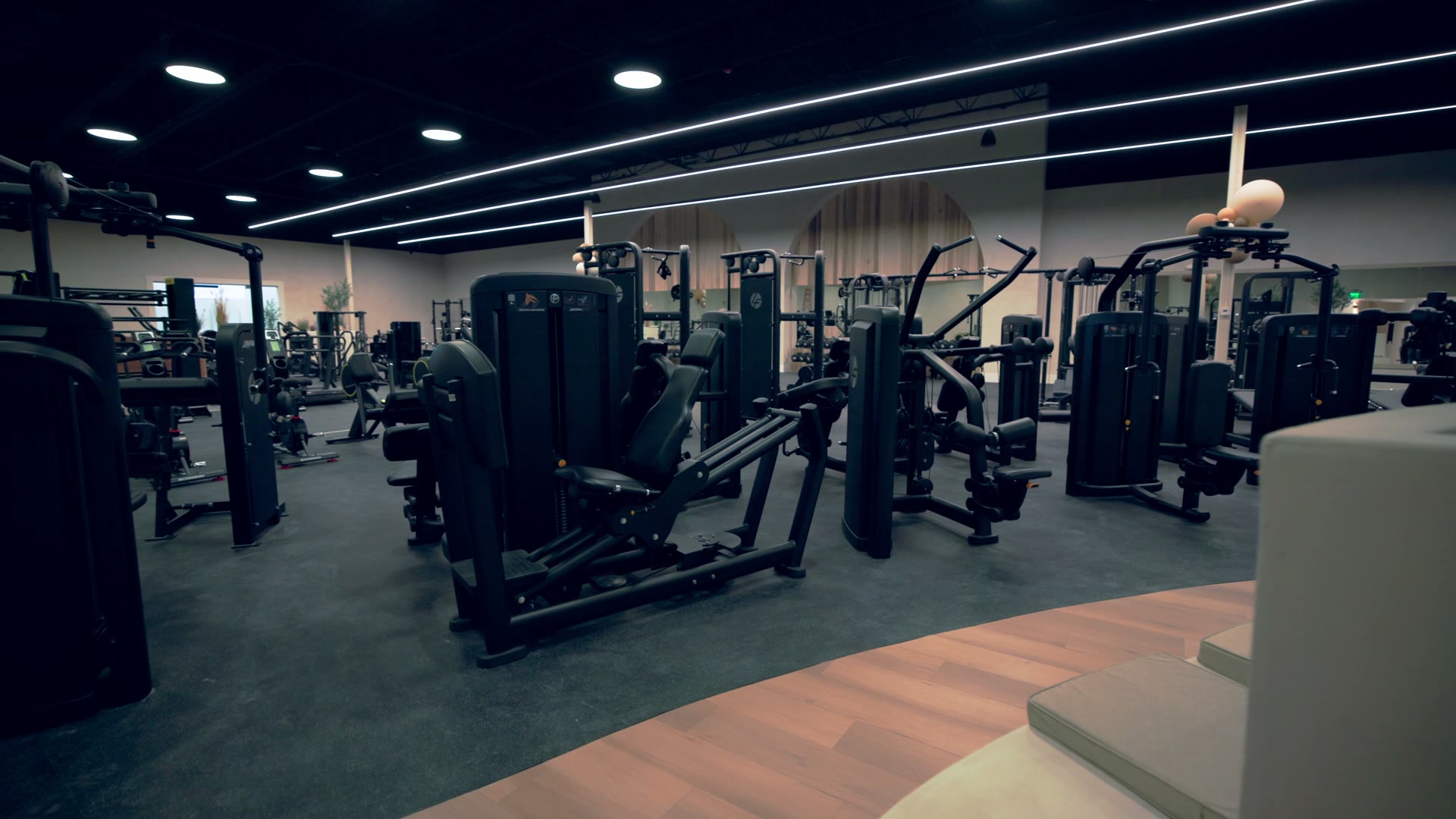
Precision-controlled resistance training that builds deep core strength, improves flexibility, and corrects postural imbalances. Decades of clinical research support Pilates for pain reduction, functional movement, and body composition.
The Reformer Pilates is one of the most effective tools for building functional strength and correcting movement dysfunction. Here's what the science shows.
Reformer Pilates uniquely targets deep stabilizing muscles — the transversus abdominis, multifidus, and pelvic floor. Research shows significant improvements in core muscle endurance and lumbar stabilizer strength after just 12 weeks of training.
Systematic reviews provide strong evidence that Pilates significantly improves flexibility. The spring-loaded carriage of the Reformer allows controlled lengthening through full range of motion, promoting both active and passive flexibility gains.
Meta-analyses of 36 randomized controlled trials confirm Pilates is more effective than minimal intervention for reducing chronic low back pain intensity and functional disability. Benefits are comparable to other active exercise programs.
Reformer Pilates produces measurable improvements in body composition — reducing fat mass, waist-to-hip ratio, and skinfold thickness while increasing lean muscle mass and corrected limb girths. Research in overweight women shows significant fat reduction after 8 weeks.
Strong evidence supports Pilates for improving dynamic balance. The unstable surface of the Reformer carriage challenges proprioceptors, enhancing spatial awareness and neuromuscular coordination — critical for injury prevention and aging well.
Randomized controlled trials demonstrate that Reformer Pilates significantly reduces symptoms of depression and anxiety while improving overall quality of life. The mind-body connection inherent to Pilates amplifies these psychological benefits.
Begin by selecting the appropriate spring resistance. Lighter springs challenge stability and control; heavier springs build strength. Your ALYZE instructor will help you find the right setting for your level and goals.
Lie on the carriage with your head on the headrest and feet on the foot bar. Find neutral spine — maintain the natural curve of your lower back. Engage your deep core before initiating any movement.
Every Reformer exercise emphasizes controlled, intentional movement. Push and pull the carriage smoothly — never let momentum take over. Focus on the eccentric (return) phase as much as the concentric (push) phase.
Coordinate your breath with each movement. Inhale to prepare, exhale during exertion. Lateral thoracic breathing — expanding the ribcage sideways — keeps the core engaged while allowing full oxygen exchange.
Start with foundational exercises (footwork, leg circles, the hundred) before advancing to more complex movements. Sessions typically last 50 minutes. Aim for 2–3 sessions per week for optimal results.
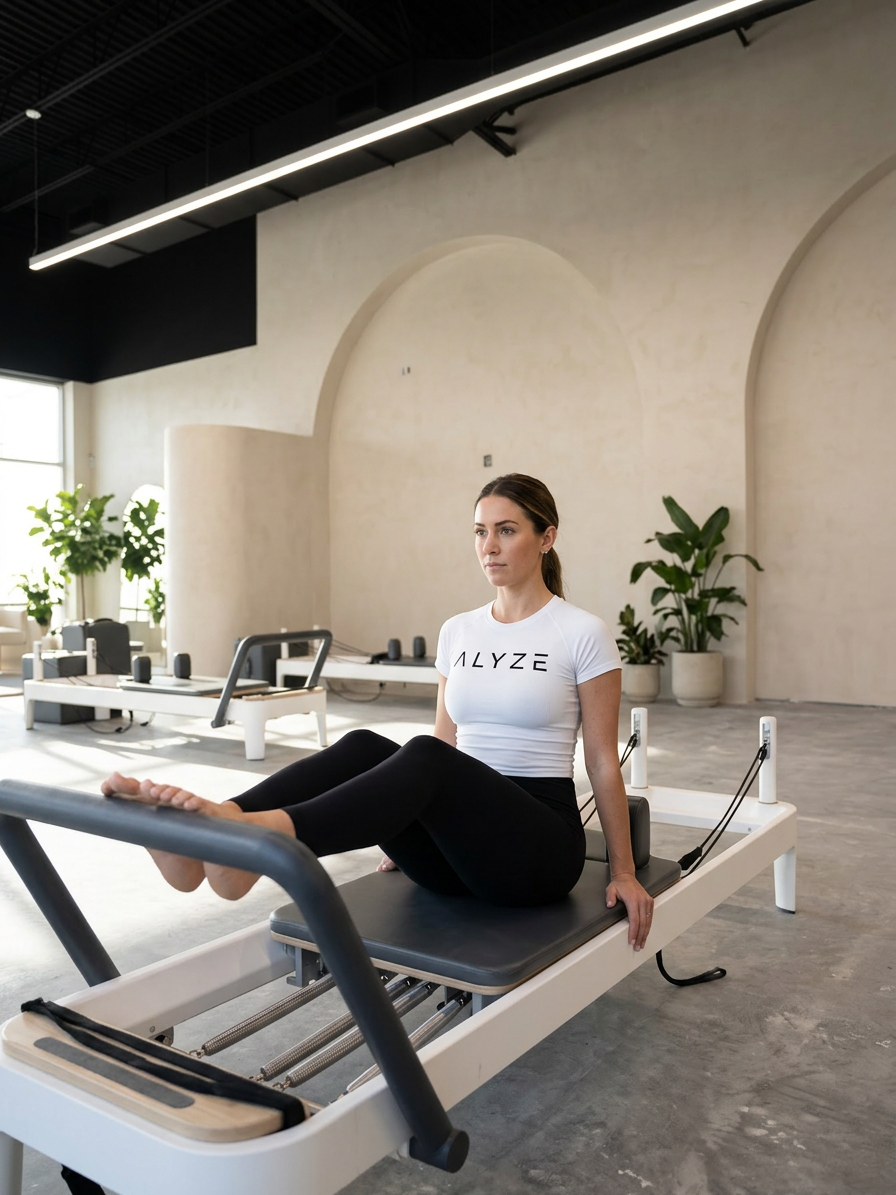
Important: If you have a herniated disc, acute spinal injury, or uncontrolled osteoporosis, consult your ALYZE practitioner before using the Reformer. Modifications are available for most conditions. If you experience sharp pain during any exercise, stop immediately and notify your instructor.
A growing body of peer-reviewed research supports the health benefits of Reformer Pilates training. These are the key studies.
Recent peer-reviewed studies on Reformer Pilates training, automatically sourced from PubMed.
The Reformer Pilates is one piece of your personalized fitness plan — informed by your movement assessment, body composition data, and health goals.


Bountiful, Utah · alyze.health
The information provided on this page is for general informational and educational purposes only and is not intended as medical advice. The research cited is from peer-reviewed journals and is presented for educational purposes. Individual results may vary. Always consult with a qualified healthcare provider before beginning any new exercise practice, including Reformer Pilates training.