Home About
Fitness Precision Medicine Recovery Mental Performance MedLab MedSpa
Explore All Blog Getting Started Join Waitlist
ALYZE Chemical Peels
MedSpa

Chemical Peels

Controlled chemical exfoliation that removes damaged outer layers of skin, revealing smoother, more even-toned skin beneath. From gentle glycolic acid peels to deeper TCA treatments — calibrated to your skin type and goals.

Benefits Usage Guide Research
Skin Health Benefits

Why chemical peels?

Chemical peels are among the most extensively studied and versatile dermatological treatments. Here's what decades of clinical evidence demonstrate.

Acne Treatment

A randomized, double-blind, placebo-controlled trial showed glycolic acid peels produced statistically significant reductions in acne lesions at each time point. The most rapid improvement is seen in comedonic acne, with papulo-pustular forms responding after six sessions.

Hyperpigmentation Correction

Serial glycolic acid peels provide additional benefit for post-inflammatory hyperpigmentation, including in darker skin tones (Fitzpatrick IV-VI). Clinical trials demonstrate meaningful improvement with minimal adverse effects across skin types.

Anti-Aging & Photoaging

Chemical peels address fine lines, sun damage, and uneven texture by accelerating cell turnover and stimulating collagen production. Combined glycolic/TCA peels improve wrinkling, lentigines, and overall skin texture with excellent clinical results.

Melasma Management

Glycolic acid peels are established as an effective treatment for melasma — a notoriously difficult pigmentary condition. Clinical studies demonstrate meaningful improvement when combined with topical depigmenting agents.

Minimal Cost & Downtime

Chemical peels are simple, cost-effective, and — for superficial peels — require no downtime. Glycolic acid peels can be performed every 2-4 weeks, making them accessible as a regular maintenance treatment for ongoing skin health.

0 days

Customizable Depth

Peel depth is precisely controlled by acid concentration, pH, application time, and number of coats. From gentle 20% glycolic resurfacing to deeper 70% glycolic or TCA peels — each treatment is calibrated to your specific concerns and tolerance.

20-70%
Usage Guide

What to expect from a chemical peel.

01

Pre-Peel Preparation

Discontinue retinoids 5-7 days before your peel. Avoid excessive sun exposure for 2 weeks prior. Your aesthetician may recommend a pre-treatment regimen with low-concentration glycolic acid at home to prime your skin for optimal results.

02

Skin Cleansing & Assessment

Your aesthetician cleanses the treatment area and assesses your skin type, concerns, and history to select the appropriate acid type, concentration, and application protocol. First-time patients typically start with a lower concentration.

03

Acid Application

The chemical solution is applied evenly across the treatment area. You'll feel a tingling or mild stinging sensation. Your aesthetician monitors the skin's response in real-time, controlling depth by timing the application and number of coats.

04

Neutralization

For glycolic acid peels, a neutralizing solution is applied at the appropriate time to stop the chemical action. The peel is then removed and a soothing, hydrating mask or serum may be applied to calm the skin.

05

Post-Peel Care

Apply SPF 30+ sunscreen immediately and for at least 2 weeks following treatment. Avoid picking or peeling any flaking skin — let it shed naturally. Use gentle cleanser and moisturizer. Avoid exfoliants and retinoids until cleared by your aesthetician.
Pro Tips

  • Superficial peels can be performed every 2-4 weeks for cumulative improvement
  • Medium-depth peels require 4-6 weeks between sessions for complete healing
  • Mild flaking and peeling for 3-5 days after medium peels is normal and expected
  • Avoid scheduling peels before sun-heavy vacations or outdoor events
  • Pre-treatment with topical retinoids can enhance peel penetration and results (stop 5 days before)
  • Pair with Hydrafacial between peel sessions for ongoing maintenance
  • Your ALYZE aesthetician will progressively increase concentration as your skin builds tolerance

Important: Chemical peels are not recommended during pregnancy or breastfeeding. Avoid peels if you have active cold sores (herpes simplex), sunburn, eczema, or open wounds in the treatment area. Individuals with a history of abnormal scarring (keloids) should discuss options with their practitioner. If you are on isotretinoin (Accutane), wait at least 6 months after discontinuation before undergoing chemical peels. Always disclose all medications and skin products to your aesthetician.

Clinical Research

The evidence.

Chemical peels are among the most well-studied dermatological treatments, with decades of clinical evidence across multiple indications.

Randomized Controlled Trial

Clinical Evaluation of Glycolic Acid Chemical Peeling in Patients with Acne Vulgaris: A Randomized, Double-Blind, Placebo-Controlled, Split-Face Comparative Study

Atzori et al. · Dermatology · 2014 · n = 26
40% glycolic acid produced statistically significant reductions in acne lesions at each time point versus placebo in this double-blind, split-face RCT, with better response for noninflammatory than inflammatory lesions.
View on PubMed →
Comprehensive Review

Glycolic Acid Peel Therapy — A Current Review

Kontochristopoulos & Platsidaki · Clinical, Cosmetic and Investigational Dermatology · 2014
Glycolic acid peels are effective for acne, acne scars, melasma, post-inflammatory hyperpigmentation, photoaging, and seborrhea. Very safe with Fitzpatrick skin types I-IV, with depth controlled by concentration, coats, and application time.
View on PubMed →
Skin of Color

Glycolic Acid Peels for Postinflammatory Hyperpigmentation in Black Patients: A Comparative Study

Burns et al. · Dermatologic Surgery · 1997 · n = 19
Serial glycolic acid peels (up to 68% concentration) provided additional benefit with minimal adverse effects for post-inflammatory hyperpigmentation in Fitzpatrick skin types IV-VI.
View on PubMed →
Anti-Aging · Comparative

Antiaging Efficacy of a Retinaldehyde-Based Cream Compared with Glycolic Acid Peel Sessions: A Randomized Controlled Study

Hebert et al. · Journal of Cosmetic Dermatology · 2018 · n = 55
Three sequential glycolic acid peels (20%, 50%, 70%) demonstrated significant anti-aging efficacy for photoaged skin rejuvenation, performing comparably to a retinaldehyde-based cream regimen.
View on PubMed →
Acne · All Types

Glycolic Acid Peels in the Treatment of Acne

Erbagci & Akcali · European Journal of Dermatology · 1999
Glycolic acid peels are effective for all types of acne with rapid improvement. Comedonic acne responds fastest; papulo-pustular requires ~6 sessions; nodular-cystic requires 8-10 sessions with notable scar improvement.
View on PubMed →
Photodamage · Comparative

Comparative Study of 15% TCA Peel Combined with 70% Glycolic Acid and 35% TCA Peel for Photodamaged Facial Skin in Aging Women

Comparative Study · Journal of Cosmetic Dermatology · 2019 · n = 40
Both GA/TCA combination and standalone TCA peels improved photodamaged skin in aging women across five sessions. The combination approach demonstrated the potential to modulate peel depth for customized outcomes.
View on PubMed →

Latest research.

Recent peer-reviewed studies on chemical peels and skin resurfacing, automatically sourced from PubMed.

Auto-updated from PubMed

Loading latest research...
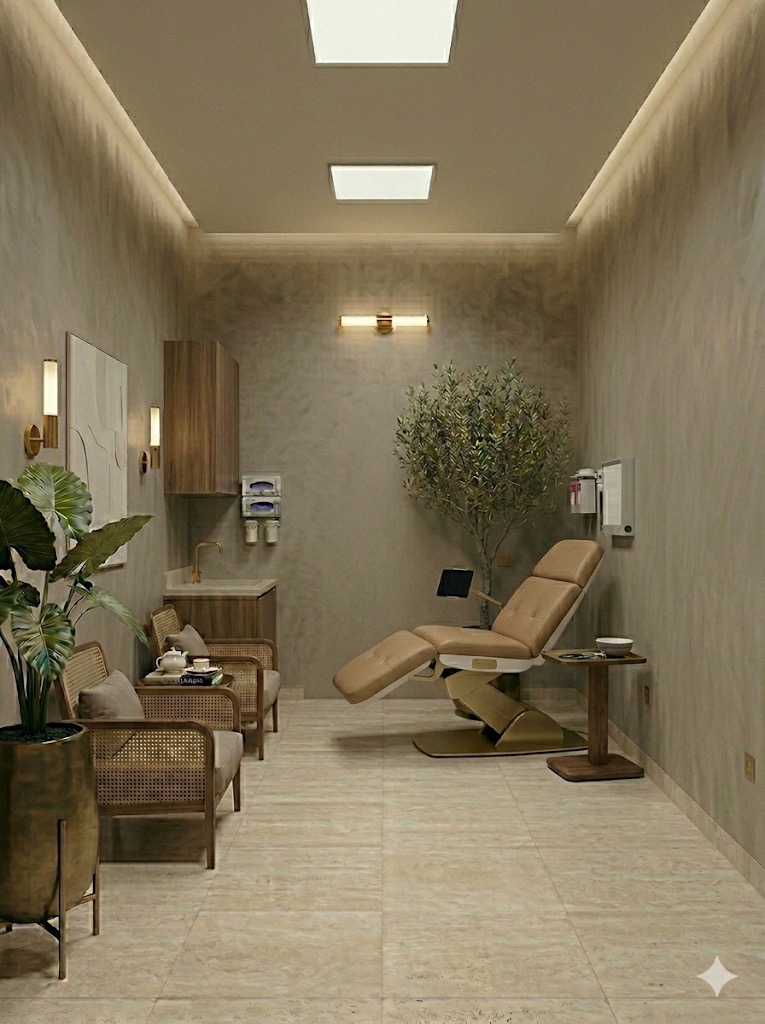
ALYZE facility
ALYZE facility
ALYZE facility
ALYZE facility

Optimize your

recovery.
longevity.
resilience.
health.
recovery.
Join the Waitlist

Bountiful, Utah · alyze.health

The information provided on this page is for general informational and educational purposes only and is not intended as medical advice. The research cited is from peer-reviewed journals and is presented for educational purposes. Individual results may vary. Always consult with a qualified aesthetician or dermatologist before beginning any new skin treatment, including chemical peels.