There is a quiet irony in winter fitness. The season that makes most people retreat indoors and scale back their training is also the season where smart recovery practices can produce some of your best results. Cold weather changes the way your body moves, heals, and adapts — and understanding those changes is the difference between a productive winter and a frustrating one.
The human body is remarkably responsive to temperature. When ambient temperatures drop, your physiology shifts in measurable ways: blood flow redistributes toward your core, your muscles require longer warm-up periods to reach optimal elasticity, and your metabolic rate increases as your body works harder to maintain thermoregulation. None of this is inherently bad. But it does demand a different approach to both training and recovery.
When your body is cold, muscle viscosity increases. Think of it like oil in an engine — cold oil is thicker and flows less freely. Your muscles behave similarly. Connective tissue becomes stiffer, range of motion decreases, and the risk of strains and micro-tears rises, particularly during explosive or high-intensity movements.
Research published in the Journal of Sports Science & Medicine shows that muscle power output can decrease by 4 to 5 percent for every degree Celsius drop in muscle temperature. That may not sound dramatic, but compounded over a training session, it means more effort for less output — and more mechanical stress on tissues that aren't fully prepared.
Joints feel the cold too. Synovial fluid — the lubricant inside your joints — becomes less viscous in lower temperatures, which is why your knees and shoulders may feel stiff and achy on cold mornings. This is not a sign of damage; it is a signal that your body needs more time to prepare.
In warmer months, you might get away with an abbreviated warm-up. In winter, that shortcut carries real risk. A thorough warm-up — 10 to 15 minutes of progressive movement that raises core temperature and activates the specific muscle groups you plan to train — is essential. Dynamic stretching, light cardio, and movement-specific drills should precede any serious loading.
Winter does not weaken you. It reveals the gaps in your preparation — and rewards those who adapt their approach to match the season.
The relationship between cold exposure and immune function is more nuanced than the old adage about "catching cold" suggests. Cold temperatures themselves don't cause illness, but they do create conditions that can suppress immune vigilance. Dry indoor air dehydrates mucous membranes, reducing your first line of defense. Shorter daylight hours disrupt circadian rhythms, which in turn affect immune cell production. And the physiological stress of training in cold conditions elevates cortisol — which, when chronically elevated, dampens immune response.
This is where recovery becomes especially important. Training breaks you down. Recovery builds you back up. In winter, the recovery window demands more attention because the environmental stressors are compounding the training stressors.
The good news is that the same cold conditions that challenge your body can be leveraged to accelerate recovery when applied with intention.
Finnish sauna and infrared sauna sessions are particularly effective during cold months. Heat increases blood flow to peripheral tissues, accelerates metabolic waste removal, and promotes the release of heat shock proteins — molecular chaperones that repair damaged proteins and protect cells from stress. A 2018 study in SpringerPlus found that post-exercise sauna bathing reduced delayed-onset muscle soreness by up to 47 percent compared to passive rest.
Alternating between heat exposure and cold plunge creates a powerful vascular pump effect. Blood vessels dilate in heat and constrict in cold, flushing metabolic waste from tissues and delivering fresh, oxygenated blood. This is not just anecdotal — research supports contrast water therapy for reducing exercise-induced muscle damage and perceived fatigue.
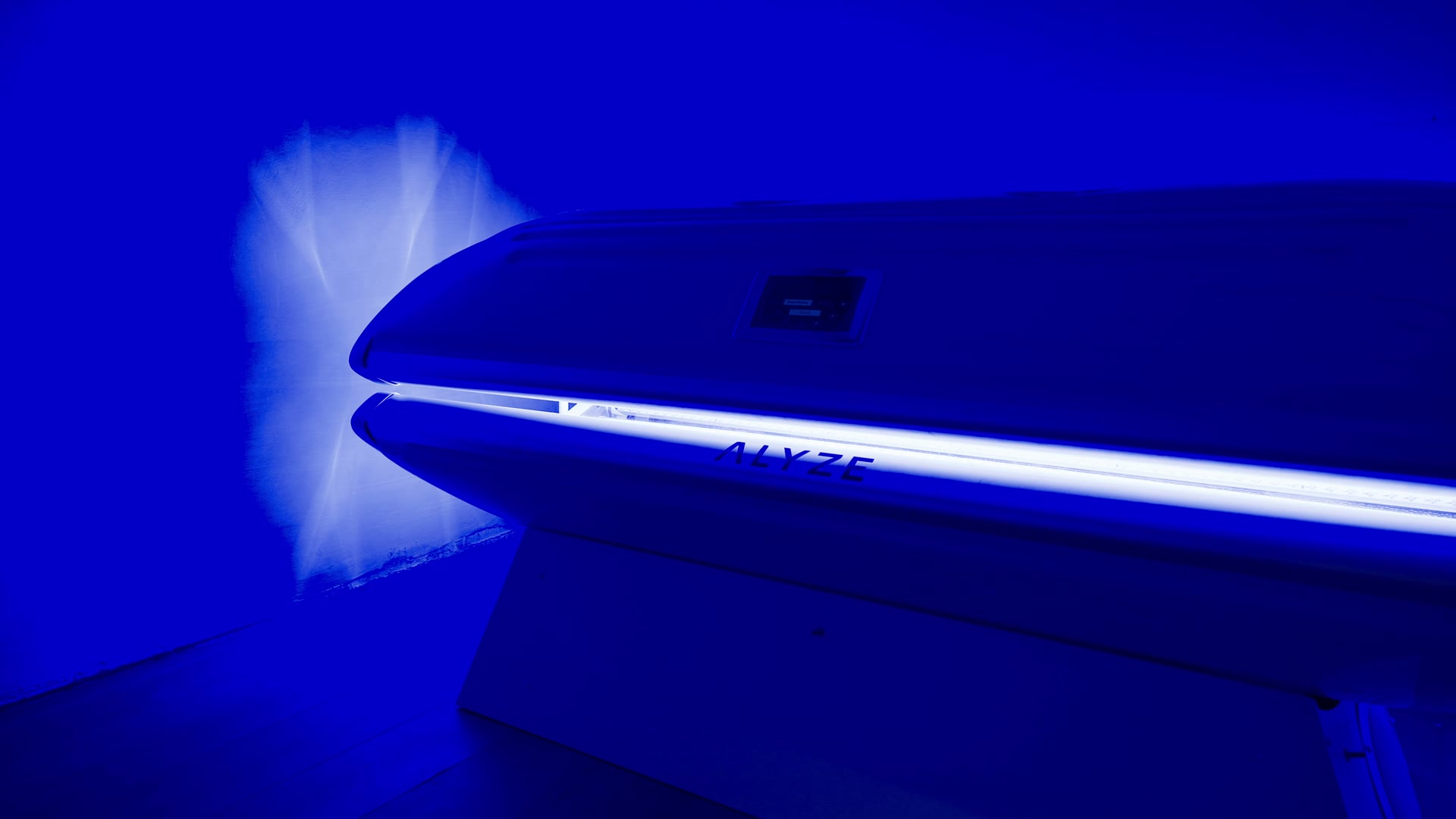
Photobiomodulation — red and near-infrared light therapy — penetrates deep tissue and stimulates mitochondrial function at the cellular level. During winter, when natural light exposure decreases and recovery demands increase, red light therapy can support both muscle recovery and mood regulation. Studies have shown measurable reductions in inflammatory markers and faster return to baseline strength after intense training.
Cold weather suppresses thirst, which means many athletes enter a state of chronic mild dehydration during winter without realizing it. Dehydration impairs nutrient delivery, slows waste removal, and reduces muscle function. Staying ahead of hydration — not just with water but with electrolytes — is a simple but high-impact recovery strategy.
On the nutrition side, winter is a time to prioritize anti-inflammatory foods: omega-3 fatty acids, turmeric, dark leafy greens, and adequate protein to support tissue repair. Your caloric needs may also increase slightly as your body expends more energy on thermoregulation.
Paradoxically, winter should be your best season for sleep. Longer nights, cooler bedroom temperatures, and increased melatonin production all favor deeper, more restorative rest. Yet many people sleep worse in winter due to disrupted routines, holiday stress, and reduced physical activity.
Protecting your sleep during cold months is perhaps the single highest-leverage recovery decision you can make. Sleep is when growth hormone peaks, when your glymphatic system clears metabolic waste from your brain, and when tissue repair accelerates. No supplement, modality, or protocol can substitute for consistently good sleep.
At ALYZE, we do not believe in one-size-fits-all recovery. Your bloodwork, body composition data, and training load inform a protocol that adapts with the seasons. During winter months, that might mean increasing sauna frequency, adding contrast therapy sessions post-training, and adjusting your supplement stack to support immune function and vitamin D levels.
The athletes and members who make their greatest gains during winter are the ones who treat recovery with the same discipline they bring to their training. The cold is not your enemy — it is a variable. And like every variable, it can be optimized.
Bountiful, Utah · alyze.health
