Utah's wellness landscape has evolved rapidly. A decade ago, your options were straightforward: traditional gyms, yoga studios, and the occasional day spa. Today, the market includes recovery lounges, biohacking centers, IV therapy bars, cryotherapy studios, and an increasing number of facilities positioning themselves as comprehensive health optimization destinations. The variety is encouraging — but it also makes evaluation difficult.
Not all wellness facilities are created equal. The differences between a truly excellent facility and one that merely looks the part are significant, and they matter for your health outcomes. Here is what to look for when evaluating wellness facilities in Utah — and what separates the best from the rest.
The most important differentiator in the wellness space is whether a facility operates with genuine medical integration or simply offers wellness services in a pleasant environment. This distinction is not always obvious from a website or a social media feed.
Medical integration means licensed practitioners overseeing protocols, comprehensive diagnostics informing treatment decisions, and clinical-grade equipment maintained to regulatory standards. It means a CLIA-certified lab (not sending samples to a third party and waiting days for results). It means your sauna session, your IV therapy, and your training program are connected — informed by the same data and coordinated by a team that communicates.
Wellness theater means nice interiors, trendy treatments, and generic protocols applied without personalization. The infrared sauna might be excellent, but if nobody has assessed whether sauna is the right modality for your specific health profile, you are paying for an experience, not an outcome.
The best wellness facility is not the one with the most modalities. It is the one that knows which modalities are right for you — and why.
Ask any facility you are considering: what does your assessment process look like? The answer will tell you everything about their philosophy. A facility that begins with a brief health history form and a body weight measurement is operating at a fundamentally different level than one that begins with comprehensive bloodwork, body composition analysis via DEXA, cardiovascular fitness testing, and a practitioner review.
The depth of initial diagnostics determines the quality of every intervention that follows. Without data, protocols are generic. With data, they are precise. This is not a subtle difference — it is the difference between driving with a GPS and driving blindfolded.
Utah's regulatory landscape for wellness services varies significantly by modality. IV therapy, hormone replacement, and peptide therapy all require medical oversight — but the quality of that oversight varies. Questions worth asking:
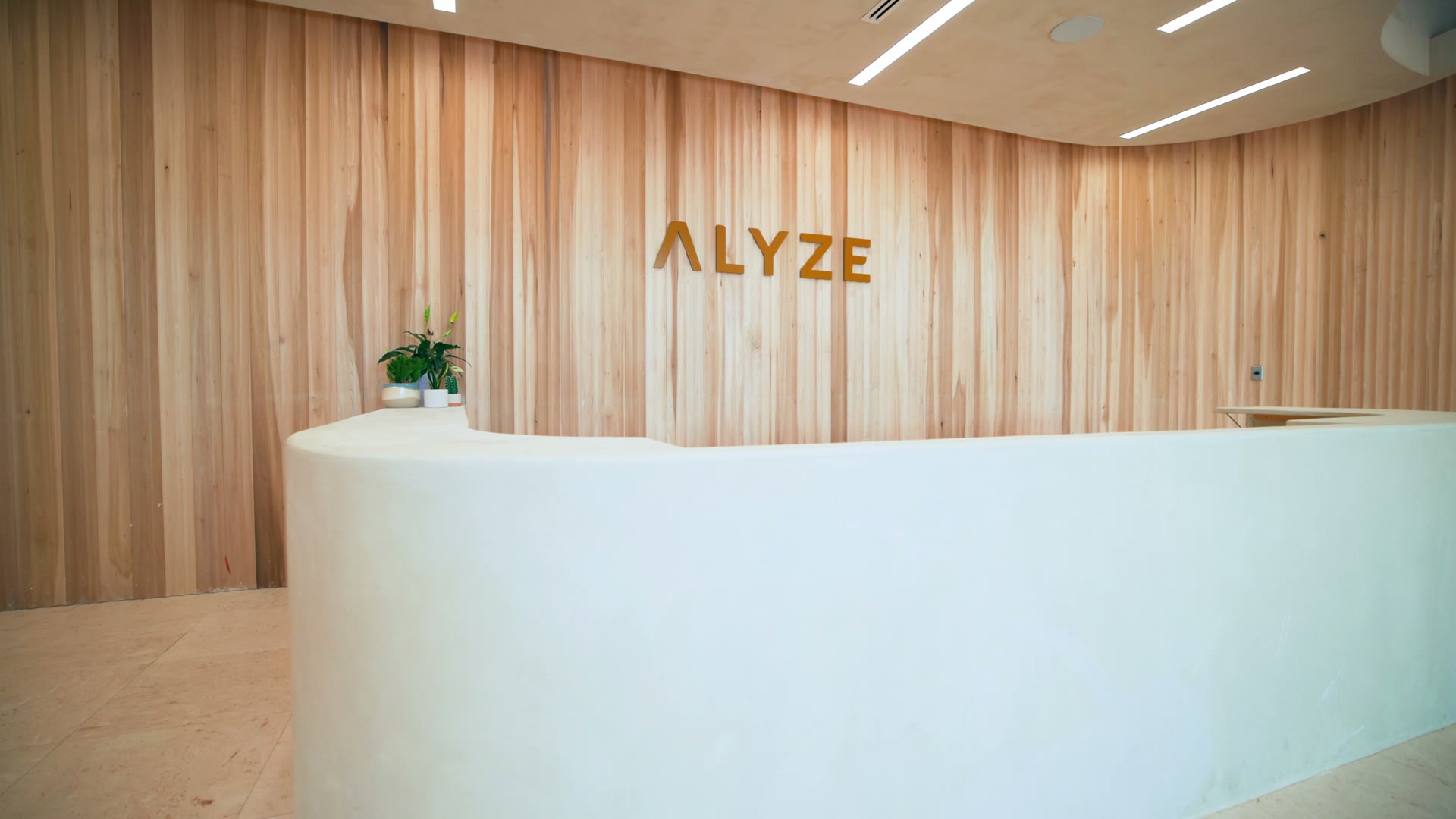
This might seem superficial, but environment matters more than most people realize. Research on healing environments demonstrates that physical surroundings directly affect cortisol levels, autonomic nervous system activity, and treatment outcomes. A facility that feels sterile and clinical triggers a stress response that undermines the very therapies you are receiving. A facility that feels warm, intentional, and aesthetically considered promotes the parasympathetic state that optimizes recovery.
The best wellness facilities in Utah understand this. They invest in architecture, materials, lighting, and acoustic design not as luxury additions, but as functional components of the therapeutic experience. The space itself becomes part of the treatment.
Many facilities offer multiple services — sauna, cold plunge, IV therapy, fitness training — but operate them as independent revenue streams rather than integrated components of a cohesive protocol. Your sauna session does not inform your IV therapy. Your bloodwork does not shape your training program. Each service exists in its own silo.
True integration means a single data platform that connects all your health information, a team that collaborates across disciplines, and protocols that are designed to work together. Your recovery modalities should complement your training load. Your nutrition guidance should reflect your bloodwork. Your mental performance programming should account for your stress markers and sleep data.
Pay-per-visit models create a transactional relationship between you and the facility. You come when you feel like it, you do what sounds appealing, and there is no accountability structure to ensure you are actually progressing. Membership models — particularly those that include regular reassessment and practitioner check-ins — create the framework for sustained, measurable improvement.
Look for facilities that track your outcomes over time, schedule regular follow-up assessments, and adjust your protocols based on progress. The best facilities treat your membership not as access to amenities, but as enrollment in a system designed to produce results.
Utah is uniquely positioned for the next generation of wellness facilities. The state's culture of health consciousness, outdoor activity, and community orientation creates a population that is already primed for health optimization. The demand is here. The question is whether the supply can match it — not just in volume, but in quality, depth, and genuine commitment to outcomes.
When ALYZE opens in Bountiful, it will represent a new standard for what a wellness facility can be: medical-grade diagnostics, six integrated health pillars, a CLIA-certified on-site lab, and an environment designed to feel as intentional as the science behind it. Not because Utah lacks wellness options — but because it deserves better ones.
Bountiful, Utah · alyze.health
